



4 reasons why pets are so good for our wellbeing

1. Pets reduce anxiety and stress

Everyone feels overwhelmed, under pressure, or stressed out from time to time.

While these feelings can be more frequent for some, research suggests they’re often more manageable among people with pets.

In a study from the Centres for Disease Control and Prevention, it was found that children with pet dogs were less likely to test positive on a screening test for anxiety.

It makes perfect sense when you think about it. Dogs are always down to cuddle – and they’re wonderful distractions that don’t talk back.

Companies like Amazon and Google don’t just have the occasional ‘Take Your Dog To Work Day’ – they’re pet-friendly every day. And guess what – the notion that animals can help combat chronic stress among employees actually works.

Similarly, dogs helped mellow out a group of university students, who reported decreased stress, increased happiness, and higher energy as much as 10 hours after their cuddle sessions.

Being around animals sparks the release of calming chemicals in the body, helping us feel a lot more chill. These powers aren’t just privy to dogs – studies on the presence of cats also found a reduction in stress, resulting in a lower risk of stroke and cardiovascular disease.

And on that note…

2. Pets are good for your heart

It’s easy to grasp why pets – particularly dogs – are good for our physical wellbeing.

According to the American Heart Association, owning a dog reduces the risk of cardiovascular disease. There’s no black and white reason why, but there’s a good chance it’s due to all the exercise and attention that dogs need.

2017 Swedish study followed the health records of millions of over 40s for more than a decade, finding that dog owner who lived alone had a 36% lower risk of cardiovascular disease than those who lived alone without a pet.

Another study indicated that seniors who walked their dogs had a lower body mass index than those who weren’t mobile or didn’t have a dog, and also visited their doctor less.

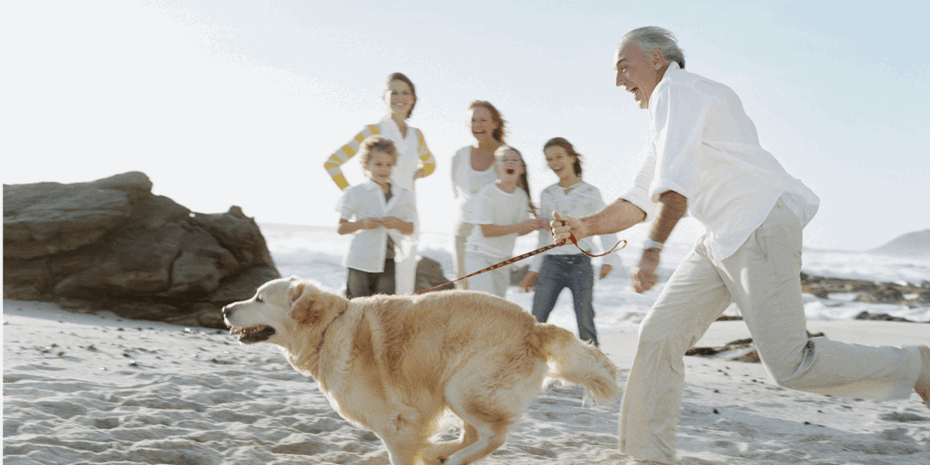
Without a dog, it’s easy to forget to find 30 minutes of physical activity each day. But with an overly eager pooch basically begging you to get outside, it’s a whole lot easier to meet your daily activity requirements. And not to mention, embracing nature has plenty of well-being benefits in itself.

Of course for some seniors, walking a dog every day may not be possible, but there are still plenty of physical benefits of playing with pets at home.

3. Pets reduce depression

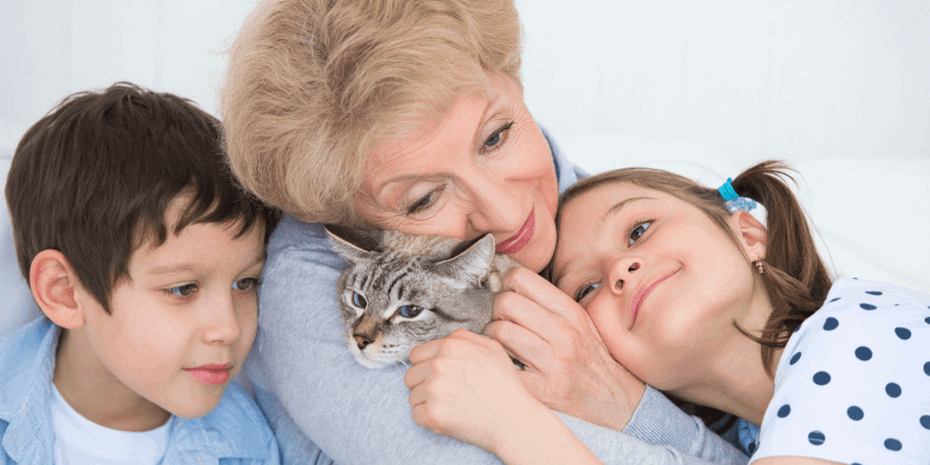
Pets are the perfect sidekick. They’re consistent in a world where nothing else is, offering comfort and companionship through thick and thin.

While animals make most of us smile, there are plenty of studies to confirm that they actually do help reduce symptoms of depression and improve emotional wellbeing.

In a recent study, it was found that interactions with animals increased levels of oxytocin, a hormone associated with positive, happy feelings. For those that own a pet, these feelings are even more amplified.

For older adults, in particular, loneliness is a major risk factor for poor mental health. In a 10 week study that looked at the benefits of animal-assisted therapy in nursing homes, residents showed fewer symptoms of depression after a 2-hour interaction with animals including dogs, cats, and rabbits.

But not only do pets provide one-on-one companionship – they encourage companionship with others, too.

4. Pets improve socialization

While there are plenty of physical benefits of taking your pooch for a stroll, the social benefits are worth wagging your tail about too.

A group of over 50s who frequently walked their dogs reported a stronger sense of community because of their canine companions.

A dog fervently sniffing another dog at the park naturally progresses into friendly banter between owners. Similar to the baby effect, it’s a lot easier to strike up a random conversation when someone has a cute puppy in tow.

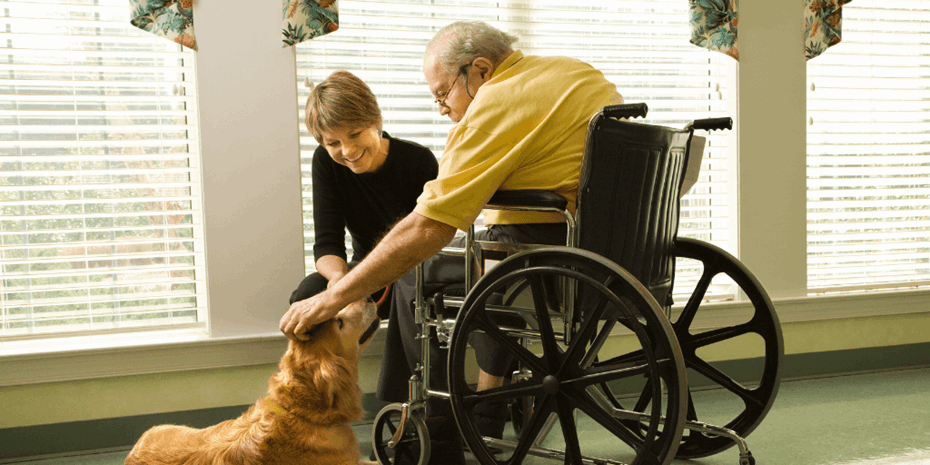
Another study suggests that people in wheelchairs had more positive interactions with a service dog than without one. More smiles and conversations were recorded whenever the dog was around, showing that the benefits of service dogs go far beyond practical tasks.

Read more →

Building Bonds and Trusting Relationships with Your Pets

There isn’t a relationship around that can survive without trust. My relationship with my dog Peyton is deep enough that he will trust me most of the time, but there are still those moments when he looks at me and runs the other way. Often time when pets don’t obey they put themselves in harm’s way by running in the street or chewing something hazardous. Building bonds with your pet is an important part of being a good pet parent.

Ways to Increase Trust

Peyton and I have been working with a trainer to help us form a deeper bond based on trust. She explained that there are some other things I need to do beyond the daily walks to earn that trust. For example, taking him with me on errands or playing fetch, which will help him feel connected to me and special. I’ve been working hard to take the extra time to be with Peyton and one of our new favorite things to do are puppy massages!

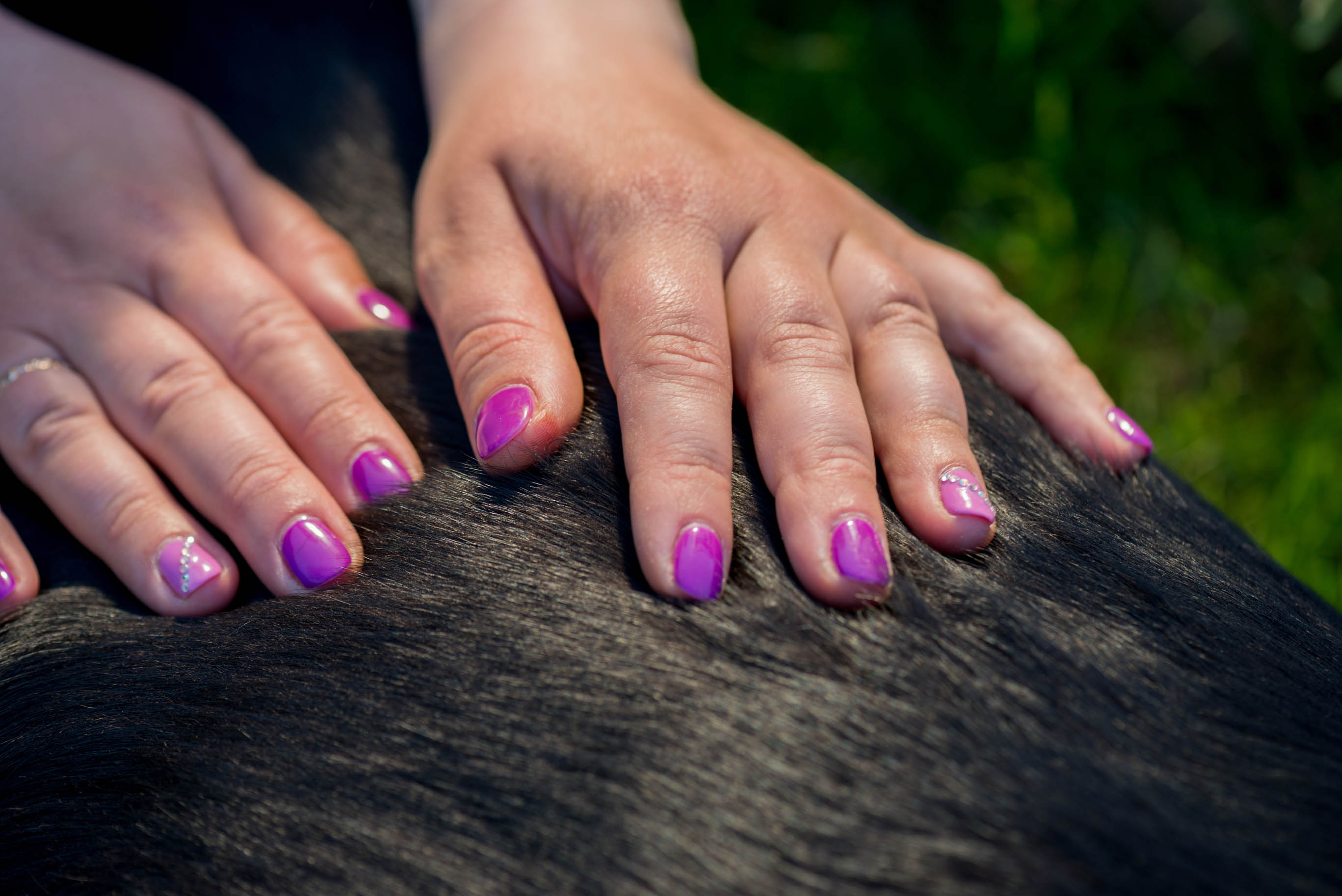
woman giving a dog massage

Give Your Pet a Massage

I love massages and I know that they release hormones that help humans heal and relax. So I decided to give Peyton a massage and he loves it just as much as I do! He took a deep sigh and relaxed, feeling safe and trusting me to care for him while he took a nap.

Make Your Pet Feel Special

Another way to help your pet feel special is to make their food more enjoyable. I know that Peyton loves to eat and he loves it when I put little treats in with his feedings. I spoke with our vet to see which treats would be safe and healthy and, now I take an extra minute to add some meat, egg, or broth to his kibble!

cooking an egg for dog food

Our pets learn by playing, just like children, so I’ve started playing games with Peyton to engage both his brain and his body.  We started agility classes, have upgraded the ball to a Frisbee, and I play hide and seek games with his treats.  We found some other games for dogs that we are going to try soon.  I also found these fun games for cats, because they need just as much playtime as dogs.

Be Consistent & Offer Rewards

Consistency is very important for animals, so reinforcing all of these activities is key to really building your bond. I want Peyton to know that he can always expect his walks and his dinner at the same time. Our trainer’s approach to behavior and attention-seeking is that: dogs seek attention and if they don’t get enough good attention, they will seek bad attention. So you want to set up your pet to seek good attention and want him to try hard for the praise.

Enjoy the Bonds of Companionship

It turns out that my efforts to bond with my pet are rewarded with a lot of benefits. Studies now show that beyond the obvious cure for loneliness, having the companionship of a pet has proven medically beneficial. For elderly owners that own pets, there are fewer doctor visits and less depression. People that are chronically ill find that caring for pets is a motivator to continue to be engaged in life. In fact, people that have heart attacks are more likely to survive that important first year if they have a pet. Finally, pets help smooth the effects of the life-related setbacks that happen to everyone. But all of this is depending on you and your pet having a strong bond.

Dog loving companion

Peyton already sits at my feet while I work, and climbs on my lap when it’s available. With a bit more focus from me, Peyton and I will have an even tighter bond. I look forward to him listening to me all the time and our long, healthy life together!

Read more →

HOW TO FIND THE BEST QUALITY PET SERVICES

Pets are family and deserve the best. Whether you are looking for a vet or a pet grooming expert, they deserve the best quality pet services. As pet parents, it is our responsibility to take care of our pets. Sometimes, they need care that is outside our expertise. Washing, feeding, and grooming are something we can manage. But when it comes to checking their health or taking care of them in your absence, you will may some help.

Topeka Home Veterinary Service | Pet Care | Topeka, KS

There are many pet service providers in the market today all claiming to provide the best quality pet services.

But, how can you filter out the best from the not-so-good?

One of the hardest tasks for all pet parents is finding the best quality pet service, providers. Of course, all parents want the best for their pets. It is important for them to find pet professionals that are the right fit for them and their pets.

Here are things to keep in mind when searching for the perfect pet groomer or pet sitter.

Level of Service Provided

Pet services providers offer different services depending on the needs of the pet. Some pet groomers may want to include pet grooming services with live-in care while others may include outdoor exercise and training. Pet sitters may also want to include weight control or nutritional regimens in their services.

You need to identify what is the best service for you and your pet. A bit of research will help you find the best pet service provider for your pet’s needs.

Ask your vet

One of the best people to provide advice to you on the best quality pet services is your vet. In the case of an older pet, you may need a pet sitter who has a good relationship with a professional vet. You will be at peace knowing that your pet is safe should there be a medical emergency.

Word of Mouth

Why should I bring my pet in for a fecal exam? | Creature Comforts  Veterinary Hospital | Ankeny

Word of mouth may seem like the most ancient method to find the best quality pet services, but it works! You will find the best pet service provider from a friend or another pet parent. Let us face it, a service provider may look good on paper, but recommendations beat all this.

Select a certified pet service provider

You don’t just select your pet service provider because they claim to provide quality pet services. You need some proof that they are certified and legit. They need to have a valid license to show that they are operating legally.

Ask about their emergency plans

You have already found the best pet sitter or groomer for your pet. But, how well prepared are they in case an emergency occurs. Sometimes, accidents and mishaps happen when they are least expected. It is important that we are always prepared when they happen. Choose a service provider who can provide help in case an emergency occurs.

Compile a Questionnaire

In order to be sure that you will choose the best quality pet service provider, create a questionnaire for you to cross-check before choosing one. Can you provide written proof that you will take liability for any accident or negligence? Are you certified for the job? Is the pet safe against theft by a pet sitter or employees? These are some of the questions you can include in your questionnaire.

Ask for References

A good pet service provider will have a list of references that are ready to vouch for their services. When you get the contacts of the references, make sure you ask questions that cater to your expectations and what your pet needs.

Always double-check the contract

When you choose your pet service provider, keep in mind that you are placing the life in some else’s hands. Also, keep in mind that you might be given complete access to your home and belongings in case you are looking forward to hiring a pet sitter. Take your time to review what you have discussed is actually written down in the contract.

 Let your pet give them a tryout

Pet Business Marketing Guide: Boost Sales with Online Printing

You have finally hired the best high-quality pet services providers for your pet. However, your pet needs to approve them in order to know if they are a good fit. It feels great to know that your dog or cat approves their pet sitter or groomer and relates with them well.

You can travel with your furry friend everywhere or talk to them for walks every day. However, this is not possible! Finding reliable high-quality pet services providers is important for your pet’s needs especially if you are away. The above tips will help you find quality pet services providers for your beloved pet. All the best!

Read more →

How to choose a reliable pet sitter

Leaving your beloved companion home while you’re at work or travelling is hard enough; finding a trustworthy pet sitter shouldn’t be. Faced with hectic schedules and long commutes—or even a pet who’s dealing with separation anxiety—more people are hiring professional sitters to ensure their animals’ health and happiness. But there’s a lot to consider when choosing a sitter.

How to Find a Pet Sitter: 6 Best Pet Sitting Services to Know | Great Pet  Care

Not only are they caring for valued family members, they’re coming into your home. They should be trustworthy, professional, knowledgeable and able to handle emergencies. And your pet should feel comfortable around them.

Here are some tips to help find that perfect sitter!

Start online

The internet (including neighborhood and community websites) is a great place to start. Professional pet-sitting associations such as the National Association of Professional Pet Sitters and Pet Sitters International list members on their websites. Reading online reviews and even checking out candidates’ Facebook pages can help narrow down your search.

Seek firsthand recommendations

Check the bulletin boards at local stores or your veterinarian’s office for ads, then reach out to potential sitters for their references. You can also ask friends, relatives and neighbors for referrals. Or connect with your veterinarian and local humane societies, which may have employees who are part-time pet sitters. Just keep in mind that people with full-time jobs may not have the availability you need.

Prepare for the interview

Take some time to think through what you want to ask candidates before interviewing them via phone or video chat. Don’t be afraid to have a long conversation; you can get a good sense of someone’s personality and character that way. Here are some topics to consider:

THE BASICS

Find out how long they’ve been in business, what their level of experience is with your pets’ species and what their backup plan is if something prevents them from coming to your house.

FEES

There’s no point in moving forward if you can’t afford their services. At the same time, don’t just go with the cheapest rate; you want a qualified professional.

SERVICES

Ask what specific services they offer—are they comfortable administering medications? Do they have special training or certifications? Are they bonded and insured (which could protect you in certain situations, such as if your dog bites another person while on a walk with the sitter)?

It can also be helpful to pose one or two emergency scenarios to see how candidates respond: What would they do if the air conditioning breaks on a hot day or your pet starts vomiting?

Get ready for the meet-and-greet

Before you book a pet-sitting date, you and your pets should meet the candidate. This will allow you to get to know the person better, flesh out special instructions and observe how they interact with your animal. You may even want to ask a candidate to do a trial walk to see how they handle your dog.

Don’t forget to ask for credentials such as references and copies of their bonding and license. You might also want to get a criminal background check.

Accept that it might not work out

The best screening in the world may not prevent you from hiring the wrong person. But you can take some simple steps to help determine whether the person is doing their job.

For example:

  • Ask your sitter to leave notes about each visit or share photos with you via text or email.
  • If you have a doorbell camera, check whether your sitter comes at the agreed-upon times.
  • Get a GPS for your dog’s collar to ensure they’re being walked every day.

Still not sure whether your sitter is up to snuff?

How to Find the Best Dog Sitter - Petfinder

Here are some potential red flags to look for:

  • Pee puddles, feces or vomit in the house.
  • Untouched treats or toys you’ve left for the sitter to give to your pet during a visit.
  • Failure to provide detailed reports of your pet’s behavior.

While it’s good to be cautious when starting with someone new, keep in mind that most people who choose pet-sitting as a career are animal lovers. Over time, a sitter can become a trusted friend to you and your pet!

Read more →

9 Types of Pet Care Professions

vet checking dog

According to the 2019 – 2020 National pet owners survey done by the American Pet Products Association, there are currently 136.4 million households that own a pet in the United States. If a household has an average of two people (statista.com has plotted this at 2.52 for 2019), then it would be logical to think that there are at least 272 million pet lovers because it’s very unlikely for a household to have a pet when there is at least one person who doesn’t like pets. This doesn’t even account for the people who can’t actually have pets because they either have a family member who is allergic to pets or who does want pets, so can you imagine just how many pet lovers there are in the U.S. today?

If you yourself are a pet lover, you must have, at some point in your life, thought about getting a job that’s related to taking care of animals, right? And how amazing would that be to actually get paid to do what you love and spend your days just taking care of pets or just be around pets, whether it is yours or somebody else’s… A pet lover is a pet lover.  And if not yourself, I’m guessing you know at least one person who doesn’t have to leave their house to have fun, as long as they’re with their pet.

Now let’s talk about the types of pet care professions that are actually out there, what it takes to be a pet care professional, and what you can get out of being in a pet care profession.

By definition,  pet care is the care and medical treatment of pets which means any job that has to do with taking care of pets would be considered a pet care profession. Now let’s take a closer look at them one by one.

Veterinarian
Jobs Working With Animals | Monster.com

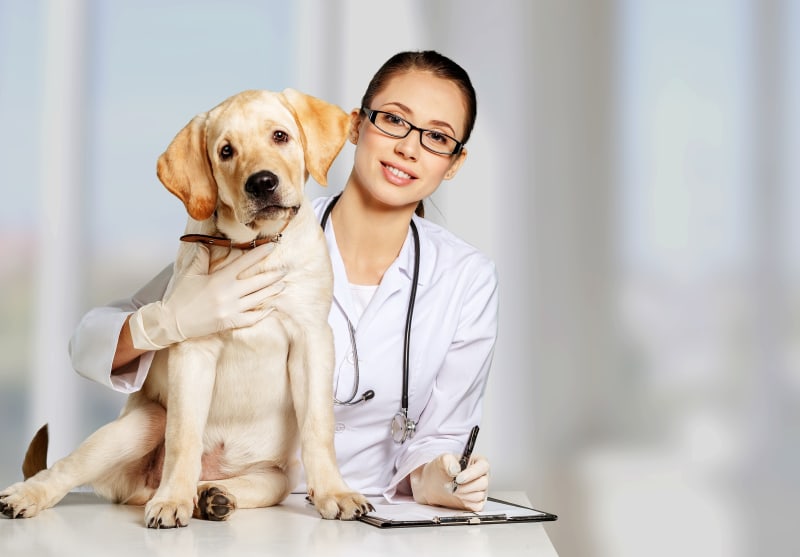
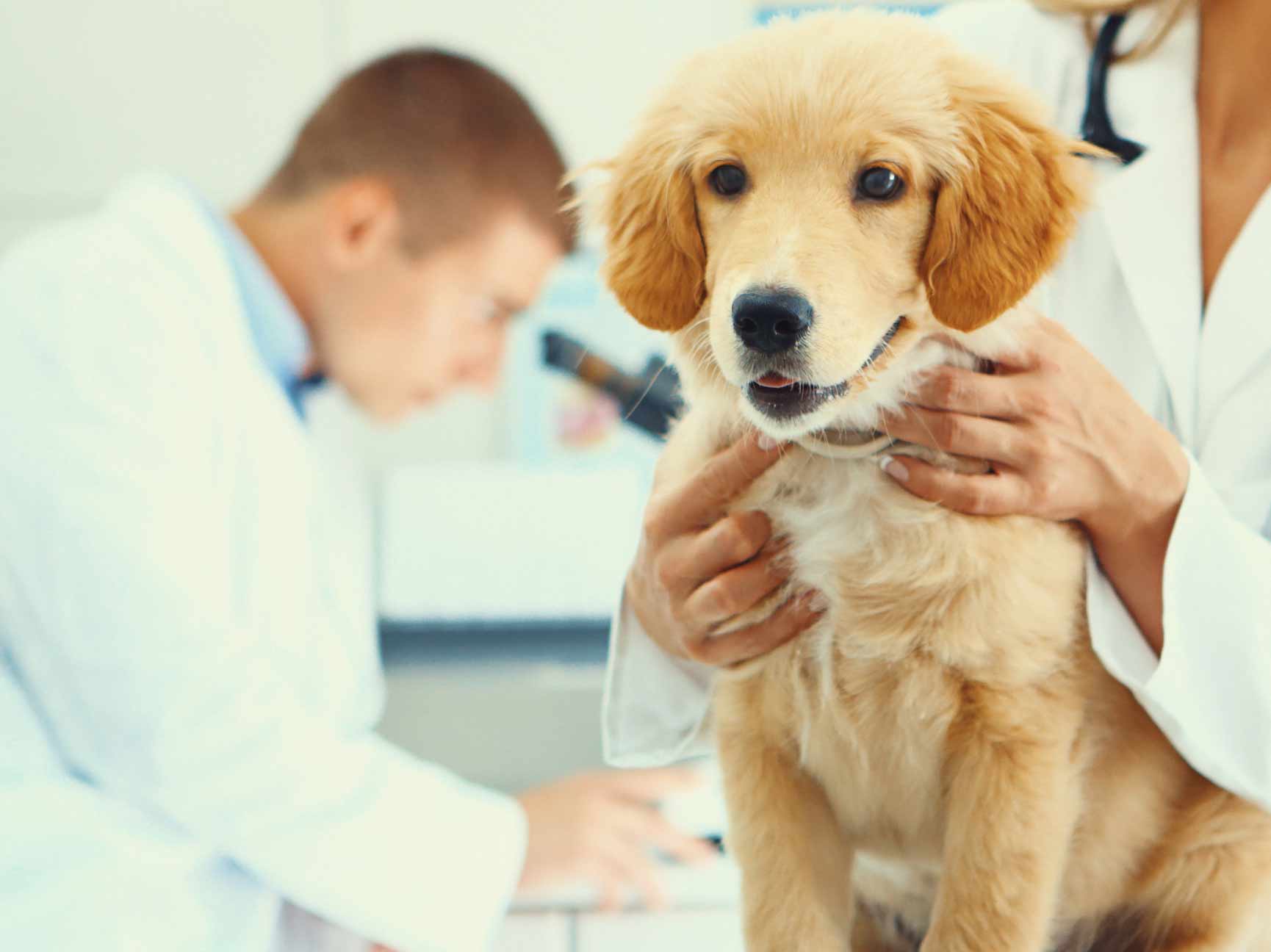
If someone were to be asked to name a pet care profession, top of mind would probably be who we more commonly call the ‘vet’. After all, our local veterinarian would be the first person to come to mind whenever we see your pets not feeling well or needing medical attention.

Also called a veterinary physician or a veterinary surgeon, veterinarians not only care for our pet’s health. They also contribute to society by working to improve public health. To do this, they research diseases and medical conditions of a wide variety of animals. And of course, they diagnose and treat pets and livestock among others.

One might think that a veterinarian is better off than a doctor who treats humans, but really, their tasks might actually be a bit more complicated. An animal doesn’t get to a vet’s clinic all by itself. There has to be a human that helps the animal seek medical attention. This means that the veterinarian will have to deal with at least two individuals ALL THE TIME. He/she will have to treat the pet, and explain everything to its owner/s. Which leads us to the important topic of ‘what it takes to be a veterinarian’:

  1. A bachelor’s degree. They have to graduate with a Doctor of Veterinary Medicine degree from an accredited college of veterinary medicine.
  2. Communication skills. This is essential whether at work or in our personal lives, but this is critical when it comes to physicians. Lives literally depend on it. A vet does not only have to explain everything that’s going on to the pet owner, but they also need to make sure that their instructions to their staff are clear and understood correctly. In order to be able to give the best care possible to our pets, they have to be able to explain options and recommendations very clearly to the pet owners.
  3. Compassion and empathy. Especially when dealing with pets that are sick or dying, compassion makes a lot of difference in terms of relating to the animals and their owners. Kindness and respect are both very important when dealing with the animals, and it is equally very important to be sensitive when they deal with the owners.
  4. Manual dexterity. Because a veterinarian will find himself having to do surgical procedures on his patients, he has to be able to use his hands very skillfully. In line with this, they can’t have conditions like carpal tunnel syndrome which can cause numbness or loss of control in the hands.
  5. Problem-solving and decision-making skills. These two go hand-in-hand and are most critical when it comes to diagnosing and treating their patients. The most tricky part is that our pets can’t tell them exactly what they’re feeling and the vets can’t ask them probing questions.

It takes a lot to become a doctor and it takes a lot to continue to be one. But the rewards are definitely worth all the hard work.


Veterinary Assistant

Veterinary assistants are the pets’ second best friend whenever they’re at their doctor’s clinic. Vet assistants help with duties at the clinic; but more importantly, they help with exercising the pets and they also help with kennel work. This kind of job will also require someone to be compassionate, patient, keen on details, organized. And one very important quality is that a vet’s assistant will have to be able to emotionally handle situations where pets are very ill or in more unfortunate cases when pets have to be euthanized.


Dog Walking

Exercise is as important to dogs as it is to humans. So, for very busy people, hiring someone to walk their dogs is just like making sure there are milk and diapers for the baby. To be a dog walker, one can either join an existing company, be a private dog walker, or join a dog walking app for starters and get a feel of how things go and how much you can potentially earn from it. The CEO of one dog walking app estimate the average hourly rate of a dog walker to be at $17.50 per hour.

The job seems pretty simple, but there still are prerequisites to this profession. At the very least, a dog walker should be familiar with state laws, should know how to handle all kinds of dogs, and have the proper training for emergency situations.


Pet Sitting

Pet sitting pretty much works the same way as babysitting does, except that you’ll be taking care of a pet. This can also include dog walking, depending on the agreement between the pet owner and the pet sitter.

One of the benefits of pet sitting is that there is a very good chance that your list of clients will grow over time; and if you’re lucky, this could happen sooner than you expect. Because the pet owner is going to let the pet sitter into their home, the level of trust that is gained on your first or second assignment would most likely dictate if you are going to have a long-term business relationship with the pet owner. Trust is always important when pet care services are involved, but more so with pet sitting because the pet owner is letting a complete stranger into their personal space. And it is not just the safety and security of the pet at stake, but every member of the household.

Moreover, especially with pets who don’t warm up to people quickly, having someone who the pet is already comfortable with makes everything easier, not just for the pet, but for the pet owner and the pet sitter as well.

The great thing about pet sitters is they can even stay overnight sometimes when the pet owners have to go out of town for a vacation or a business trip and bringing their pet is just not an option. Of course, this set up would probably include more things to do like cleaning the house, watering the plants, etc. A pet sitter can either have a different rate for overnight stays or simply discuss additional fees depending on how much work needs to be done.


Pet Boarding or Kennel Attendants

Pet boarding attendants perform tasks that are a combination of a pet sitter and a veterinary assistant’s feeding, exercising, administering medication, and maintaining the cleanliness of the kennels. The main difference is that pet boarding attendants don’t get to choose the pets they look after as pets are taken to a pet boarding business, whereas pet sitting would involve the pet sitter going to the pet owner’s place. Pet boarding attendants are also sometimes required to be able to lift 40 to 50 lbs and should be able to stand or walk for extended periods of time. Also, pet boarding assistants may be required to work on holidays, especially if the business is open 7 days a week.


Dog Grooming

If you are someone who just loves seeing those poodles and chow chows with their hair trimmed, and the Maltese that looks like it has its hair brushed more times in a day than you brush your hair in a week, then the dog grooming profession wouldn’t be alien to your ears. When you’re the creative type, or maybe even a frustrated hairstylist, perhaps dog grooming would be twice the fun for someone who loves pets.


Pet Training

Let’s not forget our pets’ teachers. They can be dog trainers, cat trainers, or any other type of animal (whether domesticated or not) that requires a lot of expertise in animal behavior. Pet trainers teach our pets to listen, be obedient, and ‘have manners’. Being able to teach pets well is just as good as taking care of them and making sure they’re fed. Well-trained pets are not only able to help their owners by being less of a headache when it comes to having to clean up after them; some pets can even be trained to become service pets wherein they are able to help and be companions to their owners who have disabilities.


Veterinary Acupuncturist

Veterinarians who practice acupuncture as part of a pet’s treatment are called veterinary or animal acupuncturists. Their median salary, on average, is $48,400.


Dog or Cat Breeder / Assistant

Someone who is a big fan of puppies and kittens would perhaps find dog/cat breeding very appealing. The wonderful thing about being a breeder or an assistant to the breeder is that you get to spend a lot of time caring for the little ones while running the business of maintaining high genetic standards at the same time.


Basic Qualities Required of Someone in the Pet Care Profession

As with any job opportunity, there are certain skills that someone who chooses to care for pets should have. These include:

  1. Being reliable, responsible, and trustworthy. Pets are almost always considered ‘family’ by their owners. So, leaving a pet in someone’s care is like leaving a child to a nanny or babysitter.
  2. EmpatheticBeing able to put oneself in the shoes of another to understand how they feel is important not just to be able to respond appropriately, but also to be able to do it with sincerity.
  3. Being physically fit. Most pet care jobs will either require one to be able to handle/lift big dogs or be able to stand/walk for long periods of time. Endurance is equally important, especially for those who work long hours.
  4. Being patient / having great customer service skills. Pet care professionals deal with different types of owners and different types of pets on a daily basis–and they all have their own personalities. One must be able to adjust quickly and have the patience to deal with the more difficult customers.
  5. Having excellent communication skills and strong interpersonal skills. Whenever a job requires an exchange of instructions and information, it is always important that those involved can both understand and communicate clearly. Along with this is the inherent ability to be able to get along with all kinds of people from all walks of life.
  6. Being attentive and keen on details. This quality can never be understated. Having high attention to detail is especially very important when we deal with their lives. There is no room for error (or forgetfulness) when it comes to administering medicine, taking note of allergies, and even anxiety triggers.

If you are interested in getting yourself into a pet care profession, it’s important to take note of the qualities that will help you become successful in your chosen field. Do also take note of the level of education required and ask yourself if you are willing to put in the time and effort. There are jobs that do not require a college degree, nor formal training. A kennel attendant, for example, is a good entry-level position that an undergraduate or high school graduate would be qualified for. The same goes for being a pet sitter, especially if you are just doing this part-time and take care of your neighbors’ pets. However, if you plan on being a professional pet sitter, having training on how to handle emergency situations and relevant certifications can be an important asset that might increase your value as a pet sitter. These would also help convince a prospective client to get your services instead of going with a competitor who has no training at all. Annual income may range from $18,000 up to more than $48,000, depending on the type of job and whether you do it part-time or full-time.

Lastly, consider the hazards that go with pet care, i.e., dog bites, pets getting lost, you or a pet getting in an accident, and make sure you get the right protection. There are pet care insurance policies that are meant to cover the needs of professional dog walkers, pet sitters, and the like. But if you plan on starting your own business and hiring an employee or more, then you’d have to look into the relevant insurances designed to provide protection to the business and its employees in the event that any untoward incident happens. It is always better to be prepared than sorry.

Do you have the people skills to work with animals? | vet times jobs

If you have any questions or need more information about this article, please do contact us here. We’d love to hear from you.


Read more →

9 Tips for Choosing a Pet Sitter

9 Tips for Choosing a Pet Sitter

Select One Who’s Right for You

Planning a vacation or traveling for work? Instead of boarding Max at the kennel or burdening a friend with dog, cat or reptile duty, consider another option: professional pet sitters.

Selecting a Pet Sitter

Selecting a pet sitter takes a little more effort than dialing a random number you may see in the Yellow Pages. Elyse Marks, director of marketing for Fetch! Pet Care, the nation’s largest professional pet sitting and dog walking franchise, recommends the following guidelines when selecting a pet sitter:

209feedingcat
  • Check the company’s references; ask for at least three.
  • Ensure the company is fully bonded and insured.
  • Confirm that your sitter has undergone a criminal background check and has received proper training.
  • Pre-interview a sitter with your pet(s) present to observe interactions and establish a “comfort level” for both you and the pet(s).
  • Let your sitter know how you would like him/her to use their time in terms of walking, playing, feeding, cleaning, etc.
  • Verify that the sitter can accommodate both your pet’s daily feeding and walking schedule as well as your desired vacation schedule, even during the busiest holidays.
  • Ensure the company offers seven-day per week telephone and e-mail availability.
  • Provide medical and behavioral history about your pet(s) as well as veterinary and other emergency contact information, and gather all necessary supplies, including food, vitamins, and treats in one central location.
  • Ensure the company has “backup” measures in place should your sitter have an emergency that prevents them from completing your assignment.

Contact us for more information.

Read more →

3 Benefits Of Training Your Pet

While most people think of training as teaching your dog to ‘sit,’ there are actually many benefits that reach beyond this. Training isn’t just limited to new pups either – it’s equally beneficial for adults, senior dogs, and even cats to learn some new tricks! However, be mindful of your pet’s capabilities before starting any new training regimens and always make sure to move at their pace.

Take a look below for 3 key benefits that training your pet has to offer:

1. Training Helps Burn Off Energy

Training is a great way for pets to release excess energy as well as boost concentration. A training program for adults, senior dogs and cats will keep their body and mind active and stimulated. You can teach an old dog…or cat new tricks!

And, no matter your pet’s age, training is an excellent way to create and grow the trust and bond between you and your canine or feline counterpart.

2. Training Helps Their Health

Training, especially the kind that involves agility and tricks, can maintain or improve good health. This is because the training of this nature typically involves running or jumping, and other forms of physical maneuvering. Not surprisingly, increased muscle strength, stamina, flexibility, and balance are all areas that can reap the rewards of this type of training. Just as with humans, new physical challenges can help dogs and cats overcome physical and mental plateaus, keeping them interested and excited about daily life.

3. Training can Improve Intelligence

How To Teach A Dog To Shake A Paw - Canine HQ

Not only will you be increasing your pet’s wealth of knowledge, but their ability to learn new things can also improve. The more you practice training, the more efficient the learning process will become for them. With this inevitably comes an increase in your pet’s confidence – not only in themselves but also in you.

Starting a new training program with your pet is simple. Begin with short training sessions every few days, making sure to keep a few motivators (treats) on hand, and gradually increase the frequency and duration. It won’t be long before you, and your pet, realize the many benefits of training.

Remember, be patient & have fun! Contact us for more information.

Read more →

Ways To Keep Your Dog Occupied AUGUST 13, 2021|IN BEHAVIOR, HUMAN|BY FITBARK

Has your dog destroyed anything in your house? If he has, it’s probably because he’s bored. Dogs need to be mentally stimulated; otherwise, they will find their own ways to occupy themselves, which often leads to unwanted and destructive behaviors. Here are some ways to keep your dog entertained while you’re away.

Install a Doggy Door

If you have a fenced-in yard that your dog is used to going in, let him go out whenever he wants by installing a doggy door. This is sure to keep your pooch occupied while you’re at work. The outdoors has plenty of sounds and odors your dog is going to want to investigate. As long as he hasn’t shown any undesirable behaviors such as digging, allow him to scope out the backyard.

Get a Pool

Most dogs are natural swimmers. Some need an introduction to a swimming pool to understand just how fun a pool can be. Because some dogs are intimidated by new things, a step-by-step process is often the best way to address this. Purchase a kiddie pool and show it to your dog without water in it. Toss some toys or treats inside to encourage him to go in. Once he is comfortable with this, add water. Although this process may take time and effort, eventually, your dog is going to love playing in his pool.

If he enjoys frolicking in a little pool, maybe he would be crazy about swimming in a larger one. Ask yourself, “Should I check out pool builders near me?” You might really enjoy swimming with your dog on a larger scale. Swimming is a great way to tire out your pooch before you have to leave the house. If he is tired, he’ll sleep rather than misbehave.

It’s important to note that you should never let your dog near a swimming pool alone. Block off the entrance to a large pool or empty a kiddie pool. Your dog has a chance of drowning, even in shallow water.

Hide Treats

Before you have to leave for work, hide some of your pooch’s favorite treats around the house. This is going to keep him occupied for hours. Choose different spots to hide them so the game doesn’t get dull. However, be mindful about where you place the treats so your dog isn’t getting into something he shouldn’t.

Use a Dog Puzzle Game

This is another way to hide treats. With puzzles, however, your dog needs to think about how to get the treats out. These games help to develop your dog’s problem-solving skills. Some puzzles require your dog to shake and toss the toy around to get the treats to fall out. Others have moving parts that your pooch must remove or flip open to uncover a treat.

Turn on the Television

If your dog gets lonely when you’re away, try turning on the television. It can actually ease separation anxiety. The best part is that there is an actual channel that was created for dogs. If this doesn’t work or you’re looking for an alternative, try anything that is based around nature.

Create a Window Seat

Dogs love to know what’s going on outside. If they hear something and can’t see what it is, they often bark until the sound subsides. Clear a spot by a window so your dog can look out. Rather than making him run over and stand up to see out the window, put a chair or elevated stool nearby so he can sit and watch. Consider adding a bed or cover so he can lie down comfortably while awaiting your return.

Dogs need something to occupy them, especially when you’re not home. Luckily, there are various ways to keep your pooch mentally and physically active. If you let him find his own form of entertainment, you’re likely going to be sorry. His idea of fun might be to rip your carpet or couch cushions apart. Avoid these negative behaviors by actively choosing what his next form of entertainment is going to be.


About the Author: Kevin Gardner works as a business consultant and unwinds by getting out of the office to spend time with his dogs, Stuart and Pepper. He enjoys writing about the things he’s learned as a pupper parent and loves to share his insights to help others.

Read more →

Happy And Healthy: The Importance Of Wellness Care For Pets

veterinarian checking cats teeth

Have you ever wondered why we schedule your pet for a once or twice yearly wellness examination? Perhaps you’ve shrugged off a few of these exams, thinking that your pet seems healthy, so there’s no reason to bring him or her in… Or perhaps you care for a smaller or exotic pet, such as a rabbit, guinea pig, or bird, and haven’t considered that they could benefit from regular wellness visits.

Wellness care for pets is an important piece of the pet care puzzle. Making sure you adhere to your pet’s regularly scheduled wellness exams can have a lasting, positive impact on his or her health, longevity, and well being.

Medicina General Animal Salut - Veterinario a domicilio y centro

Why Regular Wellness Care For Pets Matters

Wellness care for pets is about so much more than just another round of shots (although that’s important, too!). By bringing your pet in to see us regularly, we are better able to detect diseases and other conditions that could put your pet’s health at risk if left untreated.

Regular wellness care is not just for dogs and cats. Small mammals, reptiles, and birds should also be seen on a regular basis. Paws, Purrs, And Exotics Animal Hospital is proud to offer comprehensive medical care for the little guys too!

The Wellness Examination

Besides performing a “nose-to-tail” examination of your pet, your veterinarian will look at and discuss with you a variety of other aspects of your pet’s health, including:

Those Pearly Whites – Up to 85% of dogs and cats have some form of dental disease by the time they are 3 years old. If left untreated, dental disease can wreak havoc on your pet’s health, so it’s important to follow your veterinarian’s recommendations when it comes to oral care. Certain exotic pets, such as guinea pigs, rabbits, ferrets, chinchillas, and even some reptiles such as bearded dragon lizards also benefit from regular dental care.

Nutrition – All pets have their own specific nutritional needs, based on species, age, size, and lifestyle. Your veterinarian will work with you to come up with a balanced diet suitable for the health and well being of your pet.

Exercise – All pets need plenty of exercise and mental stimulation for a happy and healthy life. Your veterinarian can make recommendations for the amount and type of exercise best suited for your pet.

Emergencies – Despite our best efforts as responsible pet owners, sometimes we find ourselves dealing with a pet emergency. Having an established relationship with a veterinary hospital and your pet’s medical records on file can make all the difference in an emergency situation.

Contact us for more information and believe that all pets deserve access to high quality medical care, regardless of species. We look forward to seeing you and your pet soon!

Read more →

Six Major Benefits of Dog Training

major benefits of dog training

Have you ever held a new puppy in your arms and fantasized about all the wonderful experiences you will embark on together? Perhaps you have watched Lassie, Old Yeller, Max or Air Bud and found yourself considering how life enriching the experience of owning a dog can be, only to find yourself frustrated and confused when your new puppy begins destroying your shoes or jumping on all of your friends.

Many new dog owners become discouraged when they realize that many dogs are not naturally the well-behaved, obedient companions that we see in films or on TV. Just like children, they require consistent, good direction and patience to shape them into the pup we want them to be.

Training your dog is not only beneficial for you and your sanity, it has serious implications for the safety and health of your dog, the well being of the people and pets whom you interact with and the money you will spend on home repairs and replacement clothing.

Why Should I Train My Dog?

benefits of dog training

Many people, pet owners and non-pet owners alike, would agree that training plays a critical role in a dog’s development and ability to safely interact with their environment. Despite this, a majority of respondents in a Pet365 survey reported they had never taken their dog to a professional training class.

The consequence of not training a dog can result in everything from annoyance and frustration on the part of an owner to severe and preventable behavioral problems which can result in injury or death to your dog, family, other people or other pets.

January is designated National Train Your Dog Month by the APDT, so the following information has been written in honor of all the awesome dog owners out there who want to learn more about how they can transform their life and the bond they have with their canine companion through training.

Six Major Benefits of Dog Training

1. It is significantly safer for your dog.
The safety of your pup is of paramount importance – and as its owner, it is your responsibility. Ensuring your pet listens to your commands can prevent it from experiencing potentially deadly conflict with other dogs or wild animals, running into a busy road or generally harming itself in hazardous situations.

2. It’s safer for your home.
Training your dog helps ensure that your living quarters are treated with respect. Instilling manners in your pet means that it will know the difference between what is acceptable and unacceptable in your home, and it will behave with courtesy to the rest of your family. It will save a great deal of money on home repairs, and will significantly
decreases the likelihood that dog will chew its way through the irreplaceable piece of antique furniture which has been in your family for five generations.

3. It builds a lasting relationship between you and your dog.
A training regime will establish a fundamental connection between you and your pup. As you spend time together, creating boundaries, sharing experiences and learning to understand each other, a mutual respect will develop. Your dog will learn to trust and respect your judgment, and you’ll gain admiration for their potential and capabilities.

4. It’s easier when you take your dog out in public.
We’ve all seen instances where it looks like a dog is taking its human for a walk, rather than the other way around. By training your dog and building its confidence around humans and its fellow dogs, your walks together will be an enjoyable experience for both of you. Your dog will learn to interact safely and effectively with others.

5. It’s easier for the vet to work with your dog.
Veterinarians are not miracle workers, and cannot risk their safety or the safety of their staff attempting to work on a dog who is reacting violently to them. Pet owners who have not taken the time to desensitize their dog to being touched or worked on can risk overgrown nails, dental disease, untreated wounds or infections and the progression of disease which likely could have been prevented if discovered early.

6. You can help other dog owners.

Once you understand how to train a dog, you have that skill forever. Not only can this help you with all the dogs you own, but once you’ve mastered training your own dog, you can share your knowledge with other owners. You can even start a career as a trainer yourself – and what could be better than working with dogs each and every day?

In Summary

January may be National Train Your Dog month, but the best time to begin experiencing the benefits of training your dog is right now – regardless of what day it is. Whether you already have a canine companion or are considering the addition of a furry family member, remember that training your pup is integral to optimizing your relationship with them and providing them the best life that you possibly can.

If you would like to learn more about dog training or are uncertain about where to start, we can help provide the information necessary to discover your dog’s true potential through science-based training methods. Please contact us for more information.

Read more →